

Travel Safe in 2026: Anonymous Video Chat and the 5-Minute Privacy Rule

Solo travelers and weekend wanderers are running more video chats from the road this year than at any point I can remember. Hotel beds, train carriages, cafes you'll never see again. The phone becomes the most loaded thing in your bag, and also the easiest one to overshare from. Privacy in 2026 isn't a setting you toggle once. It's a habit you carry. The new word for that habit is privacy empowerment.
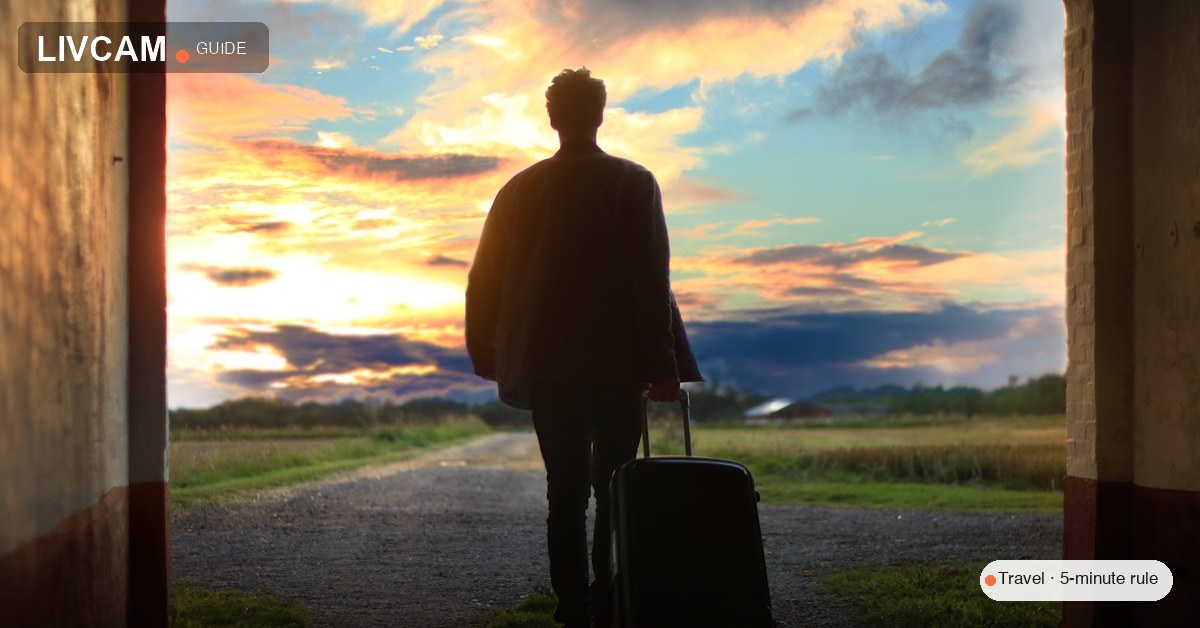
Why Travel Privacy Matters More in 2026
Travel apps know your gate, your hotel, your next four cities. Messaging apps know your face. Show that face on the wrong call from a hostel lobby and the metadata can follow you home. By 2026 most travel-fatigue advice isn't about jet lag. It's about not leaving a public trail of yourself in every city you pass through. Background, voice, location: each can leak more than you realize.
What "Privacy Empowerment" Means When You Travel
Privacy empowerment is the move from "I hope this app respects me" to "I decide what is visible, every call." It is small, repeated choices: blur the background before you answer, drop the call after five minutes, never name the hotel out loud. None of these is hard. Stacked, they create a real layer between you and a stranger you may genuinely enjoy talking to.
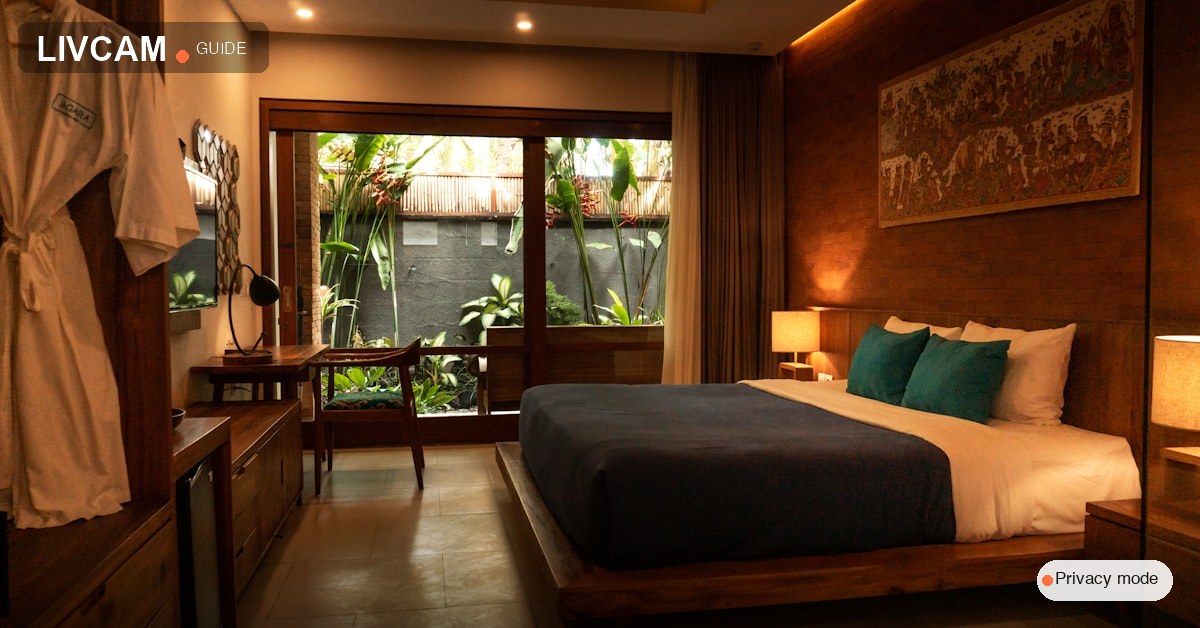
The 5-Minute Rule for Solo Travelers
The 5-minute rule is simple: when you start a chat with someone new on the road, set a timer at five minutes. After it rings, you decide whether to keep going. The first five minutes is for vibe. Nothing identifying needs to come out. No "I'm at the Marriott near the central station." No "my flight tomorrow at 7." If the chat is good, extend. If it is off, end.
That boundary is exactly what anonymous video chat platforms like LivCam were built to support: quick, low-stakes conversations where you can hang up at any moment without owing anyone anything.
5 Privacy Habits for Anonymous Video Chat on the Road
- Turn on background blur before connecting. Strip the room of clues like logos, room numbers, or the view out the window.
- Stick to first names and continents, not cities. "I'm in southern Europe" is plenty.
- Use Wi-Fi you trust or your own hotspot. Skip unsecured lobby and airport networks for camera calls.
- Save the call for daylight or with the do-not-disturb sign on the door. Audio bleed is its own privacy leak.
- End on time. This habit beats every other safety tip combined. Leave the door open. Don't get stuck.

Why Anonymous Video Chat Beats Texting Strangers Abroad
Text is forever. A screenshot of your message follows you to next year, next country, next life. A live online video chat that ends and disappears doesn't leave a paper trail. Combined with strict habits (background blur, first names, the rule), it is actually a safer way to meet a new face on a trip. The conversation lives only as long as the call.
The Research Behind Putting Privacy First on the Road
A 2023 Pew survey found that 81% of US adults feel they have little or no control over the data companies collect about them, and that anxiety doesn't drop on vacation. It usually climbs. Behavioral research on disclosure (per Acquisti, Brandimarte and Loewenstein in Science, 2015) shows people share less when an interface reminds them their choices are visible. A timer on the screen, a blur toggle on the camera. Both are reminders. Both work.
Quick FAQ
Is anonymous video chat safe to use from a hotel?
Yes, as long as you treat it like any other camera moment: blur your background, avoid saying the property name, use trusted Wi-Fi or hotspot, and stick to the rule.
What does the "5-minute rule" actually do?
It caps the early commitment of a chat. Nothing identifying needs to come out in five minutes. Name, route, hotel, plans can all stay off the table. After five minutes, you decide whether the person earned a longer conversation.
Does background blur really make a difference?
Yes. A clear shot of a hotel room, a city skyline, or a familiar logo behind you is enough for someone to roughly guess where you are. Blur removes that data without changing anything else about the call.
The trips you remember are the ones where you talked to someone you would never have met otherwise. Privacy isn't there to stop that. It's there to make it possible. Five minutes, blurred background, no city names. Then talk to whoever you want on LivCam.